
Practical parent education that turns insight into action
I offer engaging, relevant, and overwhelmingly positive workshops and presentations for parents, schools, and community organizations. My goal is to help adults better understand behavior, build practical skills, and create environments where children and families can thrive.
Practical support for the things families are actually navigating.
PRESENTATION TOPICS
Executive Function at Home
Everyday tasks like getting out the door, starting homework, keeping track of belongings, or following a routine rely on executive function skills that are still developing. Learn what may be getting in the way, how to reduce unnecessary friction, and how to build practical supports that help children become more capable and independent over time.

Behavior Is Communication
Behavior rarely comes out of nowhere. Learn how to look beyond what a child is doing to understand what may be driving it, including unmet needs, lagging skills, sensory differences, and regulation. Then use that understanding to respond in ways that address the need behind the behavior while still teaching the skills children need moving forward.
From Expectation to Instruction
Educators know that telling a child what to do and teaching them how to do it are two different things. Learn how to look at everyday expectations through a teaching lens, identify the skills a child may still be developing, and use simple strategies to teach, practice, prompt, and gradually build independence.
Supporting Neurodivergent Kids
Neurodivergent children experience, process, and respond to the world differently. Learn how to recognize individual needs, understand differences in communication, regulation, sensory processing, and executive function, and provide support without making conformity the goal. The focus is on helping children build skills, advocate for themselves, and thrive as themselves.

When Big Feelings Take Over
Big emotions can quickly overwhelm a child’s ability to think, communicate, and use the skills they have. Learn what’s happening when a child becomes dysregulated, why reasoning and correction often don’t work in the moment, and how adults can respond in ways that support regulation rather than escalate the situation. We’ll also look at what to do before, during, and after big feelings to help children gradually build their own regulation skills.

Design Your Home for Success
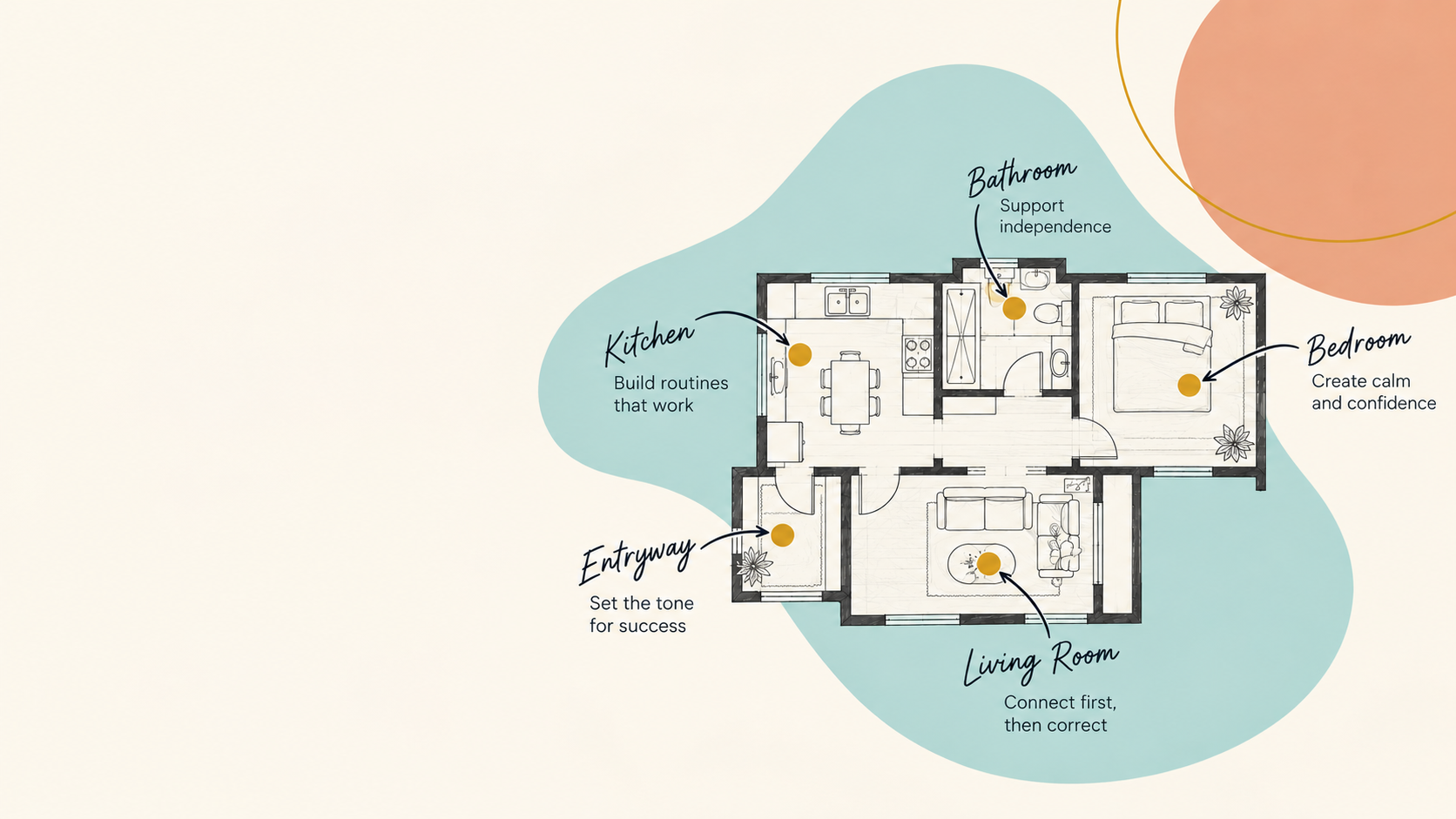
Sometimes the easiest way to support a child is to change what surrounds them, not ask them to try harder. Learn how simple changes to routines, spaces, visual cues, organization, and access can reduce everyday friction and make it easier for children to know what to do next. The goal is a home environment that supports developing skills and independence without requiring constant reminders from adults.
PARENTS • EDUCATORS • SCHOOLS • CHILDCARE PROGRAMS • COMMUNITY GROUPS • PROFESSIONAL TEAMS • HEALTHCARE PROVIDERS •
PARENTS • EDUCATORS • SCHOOLS • CHILDCARE PROGRAMS • COMMUNITY GROUPS • PROFESSIONAL TEAMS • HEALTHCARE PROVIDERS •
LOOKING FOR MY SIGNATURE WORKSHOP?
Beyond Behavior
Understanding Children. Empowering Parents. Strengthening Families.
A practical 90-minute parent workshop that helps adults better understand what’s driving behavior, respond more effectively in difficult moments, and create home environments that make everyday life work better.
Meet Jenny Roach
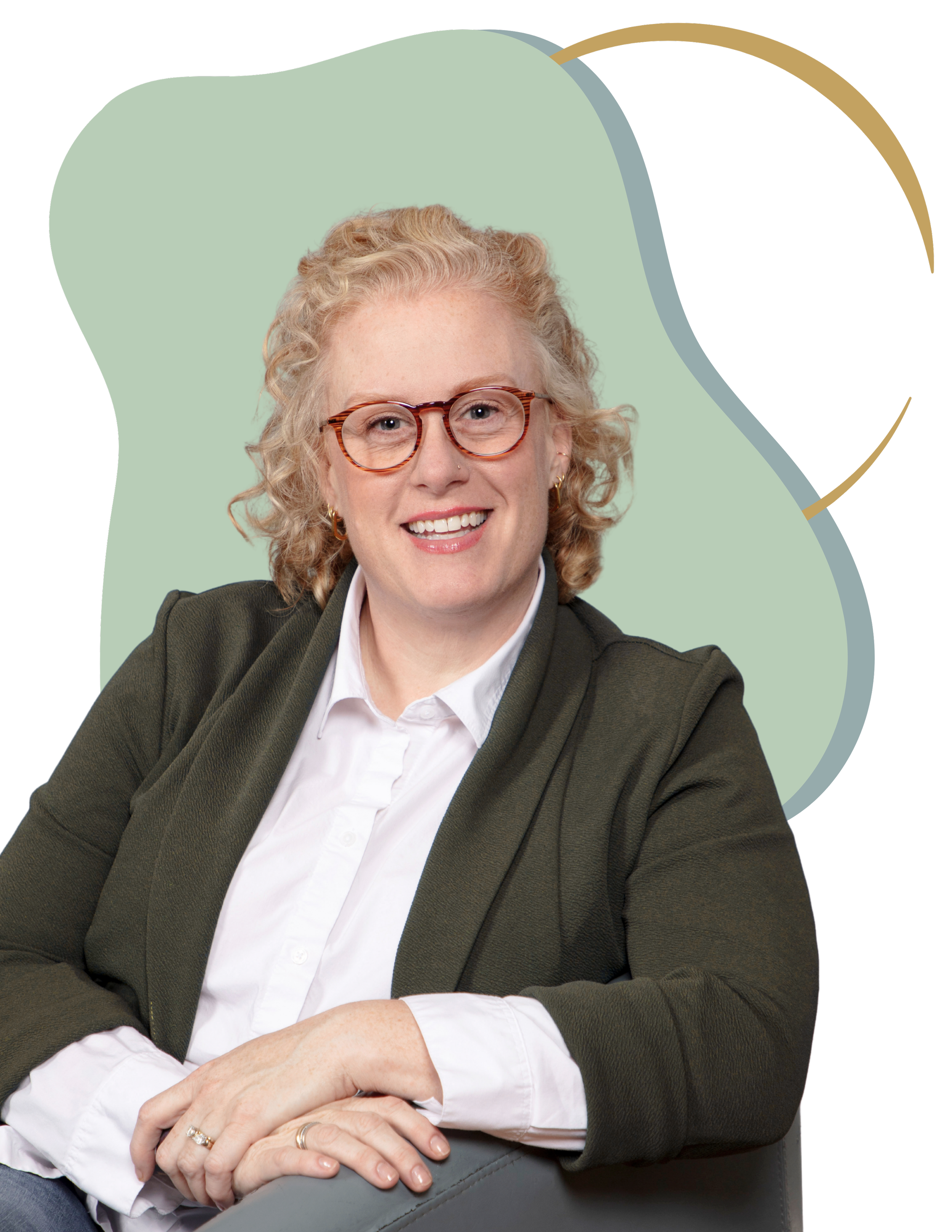
Jenny brings together a background in psychology, more than two decades in education, training in neurodiversity and behavior science, and lived experience as a parent of a neurodivergent child.
Her presentations make complex ideas about behavior, development, executive functioning, and regulation understandable, without leaving families wondering what to actually do with that information.
Jenny is a natural problem solver. She articulates challenges in a way that encourages rather than tears down, and brings vision beyond the problem in front of her.
— Arnie Prokott, School Manager, Crestview Academy
DON’T SEE EXACTLY WHAT YOU’RE LOOKING FOR?
Let’s build something that fits your people.
Topics can stand alone, overlap, or be tailored around the specific questions and challenges your group is navigating.